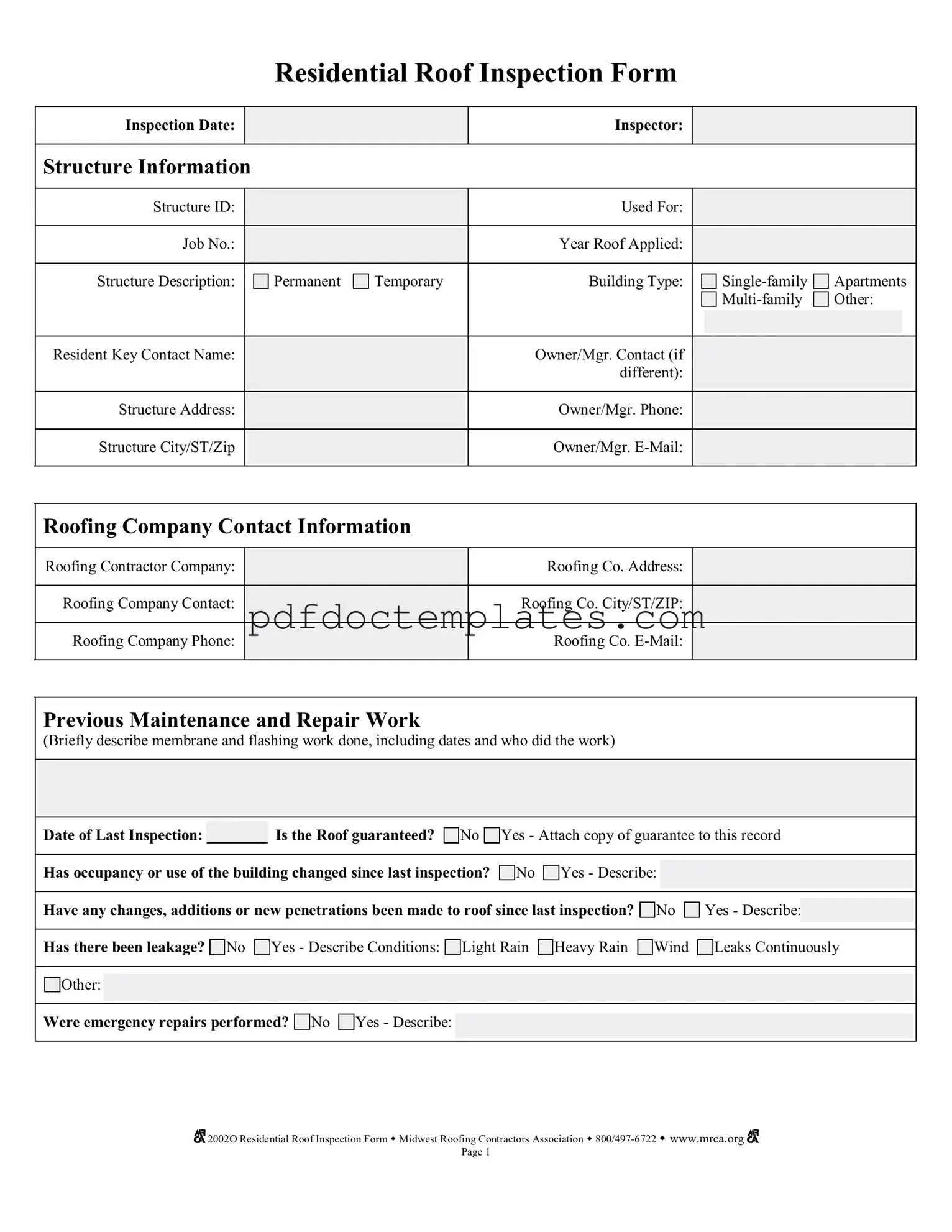
Download Roof Inspection Template
Misconceptions
- Misconception 1: The Roof Inspection form is only for new roofs.
- Misconception 2: A roof inspection is unnecessary if there are no visible leaks.
- Misconception 3: The form is too complicated to fill out.
- Misconception 4: Only professional inspectors can fill out the form.
- Misconception 5: The inspection form is only for commercial properties.
- Misconception 6: Once the form is filled out, it is no longer needed.
- Misconception 7: The inspection form does not address maintenance history.
This is not true. The Roof Inspection form is designed for all types of roofs, whether they are new or existing. Regular inspections help identify issues early, regardless of the roof's age.
Many roof problems can develop without visible signs. A thorough inspection can uncover hidden issues that may lead to leaks or damage in the future.
While the form contains various sections, it is structured to guide the inspector through the process. Each section is straightforward, allowing for clear documentation of the roof's condition.
Homeowners can also use the form, especially if they have some knowledge of roofing. However, a professional's trained eye can provide a more comprehensive assessment.
This is false. The Roof Inspection form is applicable to residential properties as well. It is crucial for homeowners to maintain their roofs just as much as businesses do.
Keeping a copy of the inspection form is essential. It serves as a historical record that can help track changes and maintenance over time, aiding future inspections.
The form includes sections specifically for documenting previous maintenance and repairs. This information is vital for understanding the roof's overall condition and planning future work.
File Details
| Fact Name | Description |
|---|---|
| Inspection Date | The date when the roof inspection is conducted is crucial for tracking maintenance and repair timelines. |
| Structure Information | This section captures essential details about the building, including its ID, purpose, and type (e.g., single-family, multi-family). |
| Roofing Company Contact | Details about the roofing contractor, including their name, address, and contact information, ensure clear communication for future work. |
| Previous Maintenance | A brief description of past maintenance and repairs helps assess the roof's current condition and any recurring issues. |
| Leakage History | Noting any past leaks and their conditions (e.g., light rain, heavy rain) provides insight into the roof's performance under various weather conditions. |
| Emergency Repairs | This section records whether any emergency repairs were necessary, which can indicate urgent issues that need addressing. |
| Code Condition | Each inspected area is rated as Good, Fair, or Poor, guiding the necessary actions to maintain the roof's integrity. |
| Photographic Record | Documenting the roof's condition through photos or videos helps maintain a historical record for future reference. |
| Governing Laws | Specific state regulations may apply to roof inspections. It's important to consult local laws to ensure compliance. |
Key takeaways
Always fill out the Roof Inspection Form completely. Include details like the inspection date, inspector's name, and structure information.
Document any previous maintenance or repair work. This history is crucial for understanding the roof's current condition.
Check for any changes since the last inspection. This includes changes in occupancy or any new penetrations made to the roof.
Be thorough when noting any signs of leakage. Describe the conditions under which leaks occurred, such as heavy rain or wind.
Use the condition codes (Good, Fair, Poor) to assess the roof's various components. This helps in prioritizing repairs.
Take photographs of any issues. Visual records can be valuable for future inspections and repairs.
Attach any guarantees or warranties to the form if applicable. This documentation can be important for future claims.
Keep copies of the inspection forms and any photographic evidence. Store these with the Roof Historical Record for future reference.
Dos and Don'ts
When filling out the Roof Inspection form, there are important guidelines to follow. Here’s a list of things you should and shouldn't do:
- Do ensure that all fields are filled out completely. Missing information can lead to misunderstandings.
- Do provide accurate descriptions of any previous maintenance or repairs. This information is crucial for assessing the roof's current condition.
- Do attach any guarantees or warranties if applicable. This documentation supports your claims about the roof's condition.
- Do use clear and concise language when describing any issues. This helps inspectors understand the situation quickly.
- Do keep a copy of the completed form for your records. This can be useful for future inspections or repairs.
- Don't skip over any sections of the form. Each part is designed to capture important details.
- Don't use vague terms when describing problems. Specificity is key to effective communication.
- Don't forget to update the form if there have been changes since the last inspection. This ensures that the current state of the roof is accurately recorded.
- Don't ignore the condition codes provided. They help standardize the assessment process.
- Don't leave out photographic evidence if required. Visual documentation can greatly enhance the inspection report.
Common mistakes
-
Incomplete Information: Failing to fill out all sections of the form can lead to gaps in data. Essential details such as the inspection date, structure ID, and roofing contractor information must be provided.
-
Incorrect Codes: Misapplying condition codes (G, F, P) can misrepresent the roof's status. Each condition should be evaluated carefully to ensure accurate reporting.
-
Neglecting Previous Work: Omitting details about past maintenance and repairs can create confusion. It is crucial to describe any previous work done, including dates and contractors involved.
-
Failure to Attach Documentation: Not attaching copies of guarantees or other relevant documents can hinder the inspection process. Ensure all necessary attachments are included with the form.
-
Ignoring Changes in Usage: Not indicating changes in occupancy or use since the last inspection can lead to oversight of potential issues. Always note any alterations that may affect the roof's condition.
What You Should Know About This Form
-
What is the purpose of the Roof Inspection form?
The Roof Inspection form is designed to assess the condition of a residential roof. It helps identify any potential issues, such as leaks or structural damage, and provides a record of previous maintenance and repairs. This information is crucial for homeowners and roofing contractors to ensure the roof remains in good condition and to plan for any necessary repairs.
-
Who should fill out the Roof Inspection form?
The form should be completed by a qualified roofing inspector or contractor. They have the expertise to accurately assess the roof's condition and identify any issues that may not be visible to the untrained eye. Homeowners can also provide input, especially regarding previous repairs or changes made to the roof.
-
What information is required on the form?
The form requires various details, including:
- Inspection date and inspector's name
- Structure information such as address and type of building
- Contact information for the owner or manager
- Details about previous maintenance and repairs
- Conditions observed during the inspection
This comprehensive information helps create a clear picture of the roof's status.
-
What should I do if the inspection reveals issues?
If the inspection identifies problems, it is essential to take action promptly. Depending on the severity, you may need to schedule repairs or maintenance with a roofing contractor. The form includes sections for documenting the condition of various roof components, which can guide the necessary actions to take.
-
How often should a roof inspection be conducted?
It is generally recommended to have a roof inspection at least once a year. However, more frequent inspections may be necessary after severe weather events or if the roof is older. Regular inspections help catch potential problems early, preventing costly repairs down the line.
-
What if there has been a change in the building's use since the last inspection?
If the occupancy or use of the building has changed, it is crucial to note this on the form. Different uses may place varying demands on the roof, which could affect its condition. This information helps ensure that the inspection is thorough and considers any new factors that may impact the roof's integrity.
Roof Inspection Example
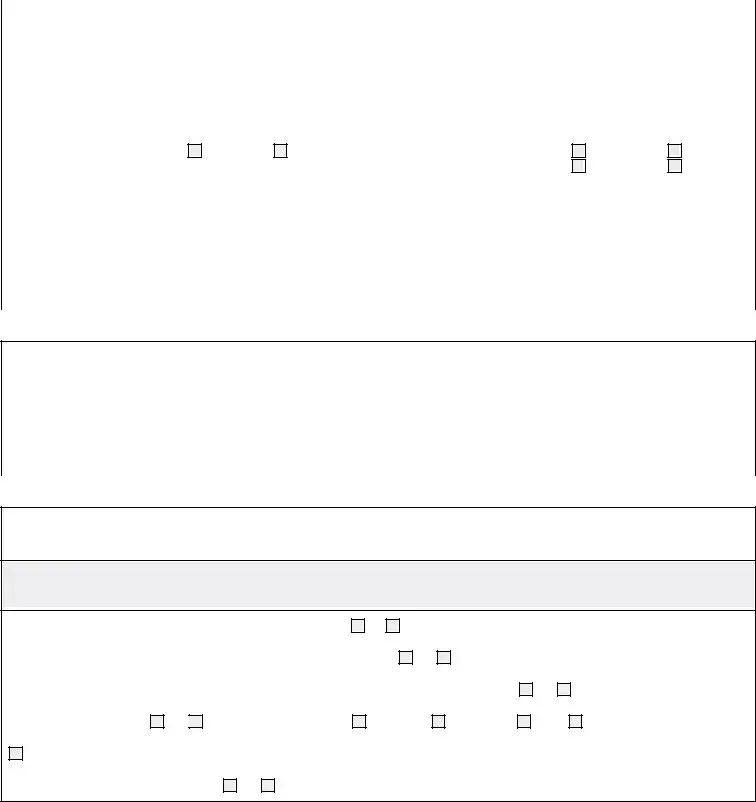
Residential Roof Inspection Form
Inspection Date: |
|
Inspector: |
|
|
|
|
|
|
|
Structure Information
Structure ID: |
|
|
Used For: |
|
|
|
|
|
|
|
|
|
|
|
|
|
|
Job No.: |
|
|
Year Roof Applied: |
|
|
|
|
|
|
|
|
|
|
|
|
|
|
Structure Description: |
Permanent |
Temporary |
Building Type: |
|
Apartments |
|||
|
|
|
|
|
Other: |
|||
|
|
|
|
|
|
|
|
|
|
|
|
|
|
|
|
|
|
|
|
|
|
|
|
|
|
|
Resident Key Contact Name: |
|
|
Owner/Mgr. Contact (if |
|
|
|
|
|
|
|
|
|
|
|
|
||
|
|
|
different): |
|
|
|
|
|
|
|
|
|
|
|
|
|
|
|
|
|
|
|
|
|
|
|
Structure Address: |
|
|
Owner/Mgr. Phone: |
|
|
|
|
|
|
|
|
|
|
|
|
|
|
|
|
|
|
|
|
|
|
|
Structure City/ST/Zip |
|
|
Owner/Mgr. |
|
|
|
|
|
|
|
|
|
|
|
|
||
|
|
|
|
|
|
|
|
|
|
|
|
|
|
|
|
|
|
Roofing Company Contact Information
Roofing Contractor Company: |
|
Roofing Co. Address: |
|
|
|
|
|
|
|
Roofing Company Contact: |
|
Roofing Co. City/ST/ZIP: |
|
|
|
|
|
|
|
|
|
|
|
|
Roofing Company Phone: |
|
Roofing Co. |
|
|
|
|
|
||
|
|
|
|
|
|
|
|
|
|
Previous Maintenance and Repair Work
(Briefly describe membrane and flashing work done, including dates and who did the work)
Date of Last Inspection: |
|
Is the Roof guaranteed? |
No |
Yes - Attach copy of guarantee to this record |
||||||||
|
|
|
|
|
|
|
|
|
|
|||
|
|
|
|
|
|
|
||||||
Has occupancy or use of the building changed since last inspection? |
No |
Yes - Describe: |
|
|
|
|
||||||
|
|
|
|
|
|
|
|
|
||||
|
|
|
|
|
|
|
|
|
|
|
|
|
|
|
|
|
|||||||||
Have any changes, additions or new penetrations been made to roof since last inspection? |
No |
Yes - Describe: |
|
|
||||||||
|
|
|
|
|
|
|
|
|
|
|
|
|
Has there been leakage? No |
Yes - Describe Conditions: |
Light Rain |
Heavy Rain |
Wind |
Leaks Continuously |
|||||||
|
|
|
|
|
|
|
|
|
|
|
|
|
|
|
|
|
|
|
|
|
|
|
|
||
Other: |
|
|
|
|
|
|
|
|
|
|
|
|
|
|
|
|
|
|
|
|
|
|
|
|
|
|
|
|
|
|
|
|
|
|
|
|
|
|
Were emergency repairs performed? No |
Yes - Describe: |
|
|
|
|
|
|
|
|
|||
|
|
|
|
|
|
|
|
|||||
|
|
|
|
|
|
|
|
|
|
|
|
|
 2002O Residential Roof Inspection Form w Midwest Roofing Contractors Association w
Page 1

Residential Roof Inspection Form
Code |
|
|
|
Condition |
|
||||
|
|
|
|
G = Good, No Action |
|
||||
|
|
|
|
F = Fair, Monitor Periodically |
|
||||
|
|
|
|
P = Poor, Immediate Action |
|
||||
|
|
|
|
|
|
|
|
|
|
|
|
|
|
G |
F |
P |
Location |
Action Taken |
|
|
|
|
|
|
|
|
|
|
|
|
Interior |
|
|
|
|
|
|
||
|
|
|
|
|
|
|
|
|
|
|
Roof Deck |
|
|
|
|
|
|
||
|
|
|
|
|
|
|
|
|
|
A1 |
Corrosion |
|
|
|
|
|
|
||
|
|
|
|
|
|
|
|
|
|
A2 |
Spalling (chipping or crumbling) |
|
|
|
|
|
|
||
|
|
|
|
|
|
|
|
|
|
A3 |
Cracking |
|
|
|
|
|
|
||
|
|
|
|
|
|
||||
|
|
|
|
|
|
|
|
|
|
A4 |
Buckling |
|
|
|
|
|
|
||
|
|
|
|
|
|
||||
|
|
|
|
|
|
|
|
|
|
A5 |
Sagging |
|
|
|
|
|
|
||
|
|
|
|
|
|
||||
|
|
|
|
|
|
|
|
|
|
|
|
|
|
|
|
|
|
|
|
A6 |
Open Joints |
|
|
|
|
|
|
||
|
|
|
|
|
|
||||
|
|
|
|
|
|
|
|
|
|
|
|
|
|
|
|
|
|
|
|
A7 |
General Deck Condition |
|
|
|
|
|
|
||
|
|
|
|
|
|
||||
|
|
|
|
|
|
|
|
|
|
|
|
|
|
|
|
|
|
|
|
A8 |
Stains/Drips |
|
|
|
|
|
|
||
|
|
|
|
|
|
||||
|
|
|
|
|
|
|
|
|
|
|
|
|
|
|
|
|
|
|
|
|
|
|
|
|
|
|
|
|
|
A100 |
Other: |
|
|
|
|
|
|
|
|
|
|
|
|
|
|
|
|
|
|
|
|
|
|
|
|
|
|
|
|
|
Walls |
|
|
|
|
|
|
||
|
|
|
|
|
|
|
|
|
|
B1 |
Movement |
|
|
|
|
|
|
||
|
|
|
|
|
|
|
|
|
|
B2 |
Settling |
|
|
|
|
|
|
||
|
|
|
|
|
|
|
|
|
|
B3 |
Cracks |
|
|
|
|
|
|
||
|
|
|
|
|
|
|
|
|
|
B4 |
Spalling (chipping or crumbling) |
|
|
|
|
|
|
||
|
|
|
|
|
|
|
|
|
|
|
|
|
|
|
|
|
|
|
|
B5 |
Paint Peeling |
|
|
|
|
|
|
||
|
|
|
|
|
|
|
|
|
|
B6 |
Water Stains |
|
|
|
|
|
|
||
|
|
|
|
|
|
|
|
|
|
B100 |
Other: |
|
|
|
|
|
|
|
|
|
|
|
|
|
|
|
|
|
|
|
|
|
|
|
|
|
|
|
|
|
Exterior |
|
|
|
|
|
|
||
|
|
|
|
|
|
|
|
|
|
|
Walls |
|
|
|
|
|
|
||
|
|
|
|
|
|
|
|
|
|
C1 |
Deteriorated Mortar Joints |
|
|
|
|
|
|
||
|
|
|
|
|
|
|
|
|
|
 2002O Residential Roof Inspection Form w Midwest Roofing Contractors Association w
Page 2

Residential Roof Inspection Form
Code |
|
|
|
|
|
Condition |
|
|
|
||||
|
|
|
|
|
|
G = Good, No Action |
|
|
|
||||
|
|
|
|
|
|
F = Fair, Monitor Periodically |
|
|
|
||||
|
|
|
|
|
|
P = Poor, Immediate Action |
|
|
|
||||
|
|
|
|
|
|
|
|
|
|
|
|
|
|
|
|
|
|
|
|
G |
F |
P |
Location |
|
Action Taken |
||
|
|
|
|
|
|
|
|
|
|
|
|
|
|
C2 |
Settlement Cracks |
|
|
|
|
|
|
|
|
||||
|
|
|
|
|
|
|
|
|
|
|
|
|
|
C3 |
Stains |
|
|
|
|
|
|
|
|
||||
|
|
|
|
|
|
|
|
|
|
|
|
|
|
C4 |
Efflorescence |
|
|
|
|
|
|
|
|
||||
|
|
|
|
|
|
|
|
|
|
|
|
|
|
C5 |
Windows |
|
|
|
|
|
|
|
|
||||
|
|
|
|
|
|
|
|
|
|
|
|
|
|
C7 |
Fascia Displaced |
|
|
|
|
|
|
|
|
||||
|
|
|
|
|
|
|
|
|
|
|
|
|
|
|
|
|
|
|
|
|
|
|
|
|
|
|
|
|
Metal Flashings |
|
|
|
|
|
|
|
|
||||
|
|
|
|
|
|
|
|
|
|
|
|
|
|
|
Counter Flashing |
|
|
|
|
|
|
|
|
||||
|
|
|
|
|
|
|
|
|
|
|
|
|
|
E1 |
Loose/Missing Fasteners |
|
|
|
|
|
|
|
|
||||
|
|
|
|
|
|
|
|
||||||
|
|
|
|
|
|
|
|
|
|
|
|
|
|
|
|
|
|
|
|
|
|
|
|
|
|
|
|
E2 |
Loose/Displaced Metal |
|
|
|
|
|
|
|
|
||||
|
|
|
|
|
|
|
|
|
|
|
|
|
|
|
|
|
|
|
|
|
|
|
|
|
|
|
|
E3 |
Deformed Metal |
|
|
|
|
|
|
|
|
||||
|
|
|
|
|
|
|
|
|
|
|
|
|
|
|
|
|
|
|
|
|
|
|
|
|
|
|
|
E4 |
Corrosion |
|
|
|
|
|
|
|
|
||||
|
|
|
|
|
|
|
|
|
|
|
|
|
|
|
|
|
|
|
|
|
|
|
|
|
|
|
|
E6 |
Sealant Joints |
|
|
|
|
|
|
|
|
||||
|
|
|
|
|
|
|
|
||||||
|
|
|
|
|
|
|
|
|
|
|
|
|
|
|
|
|
|
|
|
|
|
|
|
|
|
|
|
E7 |
Punctures |
|
|
|
|
|
|
|
|
||||
|
|
|
|
|
|
|
|
||||||
|
|
|
|
|
|
|
|
|
|
|
|
|
|
E100 |
Other: |
|
|
|
|
|
|
|
|
|
|
|
|
|
|
|
|
|
|
|
|
|
|
|
|
|
|
|
|
|
|
|
|
|
|
|
|
|
|
|
|
|
Drains/Downspouts |
|
|
|
|
|
|
|
|
||||
|
|
|
|
|
|
|
|
|
|
|
|
|
|
L1 |
Strainers/Clamping Ring |
|
|
|
|
|
|
|
|
||||
|
|
|
|
|
|
|
|
||||||
|
|
|
|
|
|
|
|
|
|
|
|
|
|
|
|
|
|
|
|
|
|
|
|
|
|
|
|
L2 |
Clear of Debris |
|
|
|
|
|
|
|
|
||||
|
|
|
|
|
|
|
|
||||||
|
|
|
|
|
|
|
|
|
|
|
|
|
|
|
|
|
|
|
|
|
|
|
|
|
|
|
|
L3 |
Flashing |
|
|
|
|
|
|
|
|
||||
|
|
|
|
|
|
|
|
||||||
|
|
|
|
|
|
|
|
|
|
|
|
|
|
|
|
|
|
|
|
|
|
|
|
|
|
|
|
L4 |
Overall Cleanliness |
|
|
|
|
|
|
|
|
||||
|
|
|
|
|
|
|
|
|
|
|
|
|
|
|
|
|
|
|
|
|
|
|
|
|
|
|
|
L5 |
Gutter Anchors |
|
|
|
|
|
|
|
|
||||
|
|
|
|
|
|
|
|
|
|
|
|
|
|
|
|
|
|
|
|
|
|
|
|
|
|
|
|
L6 |
Drains/Downspouts |
|
|
|
|
|
|
|
|
||||
|
|
|
|
|
|
|
|
|
|
|
|
|
|
|
|
|
|
|
|
|
|
|
|
|
|
|
|
L7 |
Gutter General Condition |
|
|
|
|
|
|
|
|
||||
|
|
|
|
|
|
|
|
||||||
|
|
|
|
|
|
|
|
|
|
|
|
|
|
|
|
|
|
|
|
|
|
|
|
|
|
|
|
|
|
|
|
|
|
|
|
|
|
||||
L100 |
Other: |
|
|
|
|
|
|
|
|
|
|
||
|
|
|
|
|
|
|
|
|
|
|
|
|
|
|
|
|
|
|
|
|
|
|
|
|
|
|
|
 2002O Residential Roof Inspection Form w Midwest Roofing Contractors Association w
Page 3

Residential Roof Inspection Form
Code |
|
|
|
|
|
|
Condition |
|
|
||||
|
|
|
|
|
|
|
G = Good, No Action |
|
|
||||
|
|
|
|
|
|
|
F = Fair, Monitor Periodically |
|
|
||||
|
|
|
|
|
|
|
P = Poor, Immediate Action |
|
|
||||
|
|
|
|
|
|
|
|
|
|
|
|
|
|
|
|
|
|
|
|
|
G |
F |
P |
Location |
Action Taken |
||
|
|
|
|
|
|
|
|
|
|
|
|
|
|
|
Penetrations |
|
|
|
|
|
|
|
|||||
|
|
|
|
|
|
|
|
|
|
|
|
|
|
|
General |
|
|
|
|
|
|
|
|||||
|
|
|
|
|
|
|
|
|
|
|
|
|
|
K1 |
Pitch Pocket Sealant |
|
|
|
|
|
|
|
|||||
|
|
|
|
|
|
|
|||||||
|
|
|
|
|
|
|
|
|
|
|
|
|
|
|
|
|
|
|
|
|
|
|
|
|
|
|
|
K2 |
Loose Flashing |
|
|
|
|
|
|
|
|||||
|
|
|
|
|
|
|
|
|
|
|
|
|
|
|
|
|
|
|
|
|
|
|
|
|
|
|
|
K3 |
Drawbands |
|
|
|
|
|
|
|
|||||
|
|
|
|
|
|
|
|
|
|
|
|
|
|
|
|
|
|
|
|
|
|
|
|
|
|
|
|
|
|
|
|
|
|
|
|
|
|
|
|||
K100 |
Other: |
|
|
|
|
|
|
|
|
|
|
|
|
|
|
|
|
|
|
|
|
|
|
|
|
|
|
|
|
|
|
|
|
|
|
|
|
|
|
|
|
|
Conduit or Pipe |
|
|
|
|
|
|
|
|||||
|
|
|
|
|
|
|
|
|
|
|
|
|
|
N1 |
Sagging |
|
|
|
|
|
|
|
|||||
|
|
|
|
|
|
|
|
|
|
|
|
|
|
N2 |
Supports Moving |
|
|
|
|
|
|
|
|||||
|
|
|
|
|
|
|
|
|
|
|
|
|
|
N3 |
Joints |
|
|
|
|
|
|
|
|||||
|
|
|
|
|
|
|
|
|
|
|
|
|
|
|
|
|
|
|
|
|
|
|
|
|
|
|
|
N4 |
Corrosion |
|
|
|
|
|
|
|
|||||
|
|
|
|
|
|
|
|
|
|
|
|
|
|
|
|
|
|
|
|
|
|
|
|
|
|
|
|
N100 |
Other: |
|
|
|
|
|
|
|
|
|
|
||
|
|
|
|
|
|
|
|
|
|
|
|
|
|
|
|
|
|
|
|
|
|
|
|
|
|
|
|
|
|
|
|
|
|
|
|
|
|
|
|
|
|
|
Membrane/Shingle |
|
|
|
|
|
|
|
|||||
|
|
|
|
|
|
|
|
|
|
|
|
|
|
|
General |
|
|
|
|
|
|
|
|||||
|
|
|
|
|
|
|
|
|
|
|
|
|
|
O1 |
Discoloration |
|
|
|
|
|
|
|
|||||
|
|
|
|
|
|
|
|
|
|
|
|
|
|
|
|
|
|
|
|
|
|
|
|
|
|
|
|
O2 |
Coating/Surfacing |
|
|
|
|
|
|
|
|||||
|
|
|
|
|
|
|
|||||||
|
|
|
|
|
|
|
|
|
|
|
|
|
|
O3 |
Cracking |
|
|
|
|
|
|
|
|||||
|
|
|
|
|
|
|
|
|
|
|
|
|
|
O4 |
Wrinkles |
|
|
|
|
|
|
|
|||||
|
|
|
|
|
|
|
|
|
|
|
|
|
|
O5 |
Punctures |
|
|
|
|
|
|
|
|||||
|
|
|
|
|
|
|
|
|
|
|
|
|
|
O9 |
Delamination |
|
|
|
|
|
|
|
|||||
|
|
|
|
|
|
|
|
|
|
|
|
|
|
|
|
|
|
|
|
|
|
|
|
|
|
|
|
O10 |
Alligatoring |
|
|
|
|
|
|
|
|||||
|
|
|
|
|
|
|
|||||||
|
|
|
|
|
|
|
|
|
|
|
|
|
|
|
|
|
|
|
|
|
|
|
|
|
|
|
|
O11 |
Granule Adhesion |
|
|
|
|
|
|
|
|||||
|
|
|
|
|
|
|
|||||||
|
|
|
|
|
|
|
|
|
|
|
|
|
|
|
|
|
|
|
|
|
|
|
|
|
|
|
|
O12 |
Standing Water |
|
|
|
|
|
|
|
|||||
|
|
|
|
|
|
|
|||||||
|
|
|
|
|
|
|
|
|
|
|
|
|
|
|
|
|
|
|
|
|
|
|
|
|
|
|
|
 2002O Residential Roof Inspection Form w Midwest Roofing Contractors Association w
Page 4

Residential Roof Inspection Form
Code |
|
|
|
Condition |
|
||||
|
|
|
|
G = Good, No Action |
|
||||
|
|
|
|
F = Fair, Monitor Periodically |
|
||||
|
|
|
|
P = Poor, Immediate Action |
|
||||
|
|
|
|
|
|
|
|
|
|
|
|
|
|
G |
F |
P |
Location |
Action Taken |
|
|
|
|
|
|
|
|
|
|
|
O13 |
Vandalism |
|
|
|
|
|
|
||
|
|
|
|
|
|
||||
|
|
|
|
|
|
|
|
|
|
|
|
|
|
|
|
|
|
|
|
O14 |
Foot Traffic Damage |
|
|
|
|
|
|
||
|
|
|
|
|
|
||||
|
|
|
|
|
|
|
|
|
|
|
|
|
|
|
|
|
|
|
|
O17 |
Mechanical Damage |
|
|
|
|
|
|
||
|
|
|
|
|
|
|
|
|
|
|
|
|
|
|
|
|
|
|
|
O18 |
Exposed Felt/Deck |
|
|
|
|
|
|
||
|
|
|
|
|
|
||||
|
|
|
|
|
|
|
|
|
|
|
|
|
|
|
|
|
|
|
|
O19 |
Hail Damage |
|
|
|
|
|
|
||
|
|
|
|
|
|
||||
|
|
|
|
|
|
|
|
|
|
|
|
|
|
|
|
|
|
|
|
|
|
|
|
|
|
|
|
|
|
O100 |
Other: |
|
|
|
|
|
|
|
|
|
|
|
|
|
|
|
|
|
|
|
|
|
|
|
|
|
|
|
|
|
Miscellaneous |
|
|
|
|
|
|
||
|
|
|
|
|
|
|
|
|
|
R1 |
Antennas |
|
|
|
|
|
|
||
|
|
|
|
|
|
||||
|
|
|
|
|
|
|
|
|
|
|
|
|
|
|
|
|
|
|
|
R2 |
Guy Wires |
|
|
|
|
|
|
||
|
|
|
|
|
|
||||
|
|
|
|
|
|
|
|
|
|
|
|
|
|
|
|
|
|
|
|
R3 |
Ice or Icicles |
|
|
|
|
|
|
||
|
|
|
|
|
|
||||
|
|
|
|
|
|
|
|
|
|
R4 |
Oil Deposits |
|
|
|
|
|
|
||
|
|
|
|
|
|
|
|
|
|
|
|
|
|
|
|
|
|
|
|
R5 |
Surface Contamination |
|
|
|
|
|
|
||
|
|
|
|
|
|
||||
|
|
|
|
|
|
|
|
|
|
|
|
|
|
|
|
|
|
|
|
R6 |
Soft Areas |
|
|
|
|
|
|
||
|
|
|
|
|
|
||||
|
|
|
|
|
|
|
|
|
|
|
|
|
|
|
|
|
|
|
|
R7 |
Vandalism |
|
|
|
|
|
|
||
|
|
|
|
|
|
|
|
|
|
|
|
|
|
|
|
|
|
|
|
R8 |
Vegetative Growth |
|
|
|
|
|
|
||
|
|
|
|
|
|
|
|
|
|
|
|
|
|
|
|
|
|
|
|
R100 |
Other: |
|
|
|
|
|
|
|
|
|
|
|
|
|
|
|
|
|
|
|
|
|
|
|
|
|
|
|
|
|
|
|
|
|
|
|
|
|
|
|
Photographic Record |
|
|
|
|
|
|
||
|
|
|
|
|
|
|
|
|
|
U1 |
Film/Digital Photograpy |
|
|
|
|
|
|
||
|
|
|
|
|
|
|
|
|
|
|
|
|
|
|
|
|
|
|
|
U2 |
Video |
|
|
|
|
|
|
||
|
|
|
|
|
|
||||
|
|
|
|
|
|
|
|
|
|
|
|
|
|
|
|
|
|
|
|
U100 |
Other: |
|
|
|
|
|
|
|
|
|
|
|
|
|
|
|
|
|
|
*Mark all items with the appropriate code on the roof plan grid. Keep copies of inspection forms and photographic or other evidence with the Roof Historical Record.
 2002O Residential Roof Inspection Form w Midwest Roofing Contractors Association w
Page 5
Consider More Forms
Florida Realtor Forms - This uniform contract helps streamline the buying and selling process for commercial properties.
In navigating the complexities of legal agreements, particularly in New York, it is essential to understand the significance of a Hold Harmless Agreement. This legal document is crucial as it effectively absolves individuals or organizations from certain liabilities, fostering a safer environment for various activities and agreements. To further assist you in drafting such documents, you can refer to All New York Forms for helpful templates and resources that ensure all parties are adequately protected.
Netspend All-access Login Customer Service - Indicate whether you have contacted the merchant regarding the disputed transaction.